ServicesFirst-Time Homebuyer Loans
First-Time Homebuyer Loans in Dawsonville
Buying your first place means a lot of new terms at once: pre-approval, mortgage insurance, escrow, closing costs. We explain each one, compare the loan programs you qualify for, and put the numbers in writing so you know what you are signing before closing day.

A first mortgage, explained before you commit
A first-time homebuyer loan is not one product. It is a set of programs built for people who have not owned recently: conventional loans with low down payment options, FHA loans, VA loans for eligible veterans and service members, and USDA loans for qualifying rural addresses. Each one treats credit, down payment and mortgage insurance differently, and that changes your monthly payment more than most buyers expect.
Our job is to match your income, savings and credit file to the program that costs you the least over the time you plan to stay. We show you the side-by-side comparison on paper, including the parts lenders tend to mention late, like mortgage insurance and prepaid escrow. If a program does not fit, we say so and tell you why.
What we handle for first-time buyers
Program comparison
We price your file under each program you qualify for and show the trade-offs: down payment, mortgage insurance, rate and total cash needed at closing.
Pre-approval letter
We review your pay stubs, W-2s or tax returns, bank statements and credit report before issuing a letter. A pre-approval built on verified documents holds up better when a seller compares offers.
Down payment assistance review
We check whether Georgia's down payment assistance programs or a family gift could cover part of your down payment, and explain the paperwork each one requires, such as a signed gift letter and proof of the transfer.
Written loan estimate
Once you have a contract, you get the official Loan Estimate with every fee itemized. We go through it line by line with you, so nothing appears at closing that was not discussed first.
Credit guidance
If your score sits just under a pricing threshold, we explain what is pulling it down, such as high card balances relative to limits, and whether waiting a month could lower your rate.
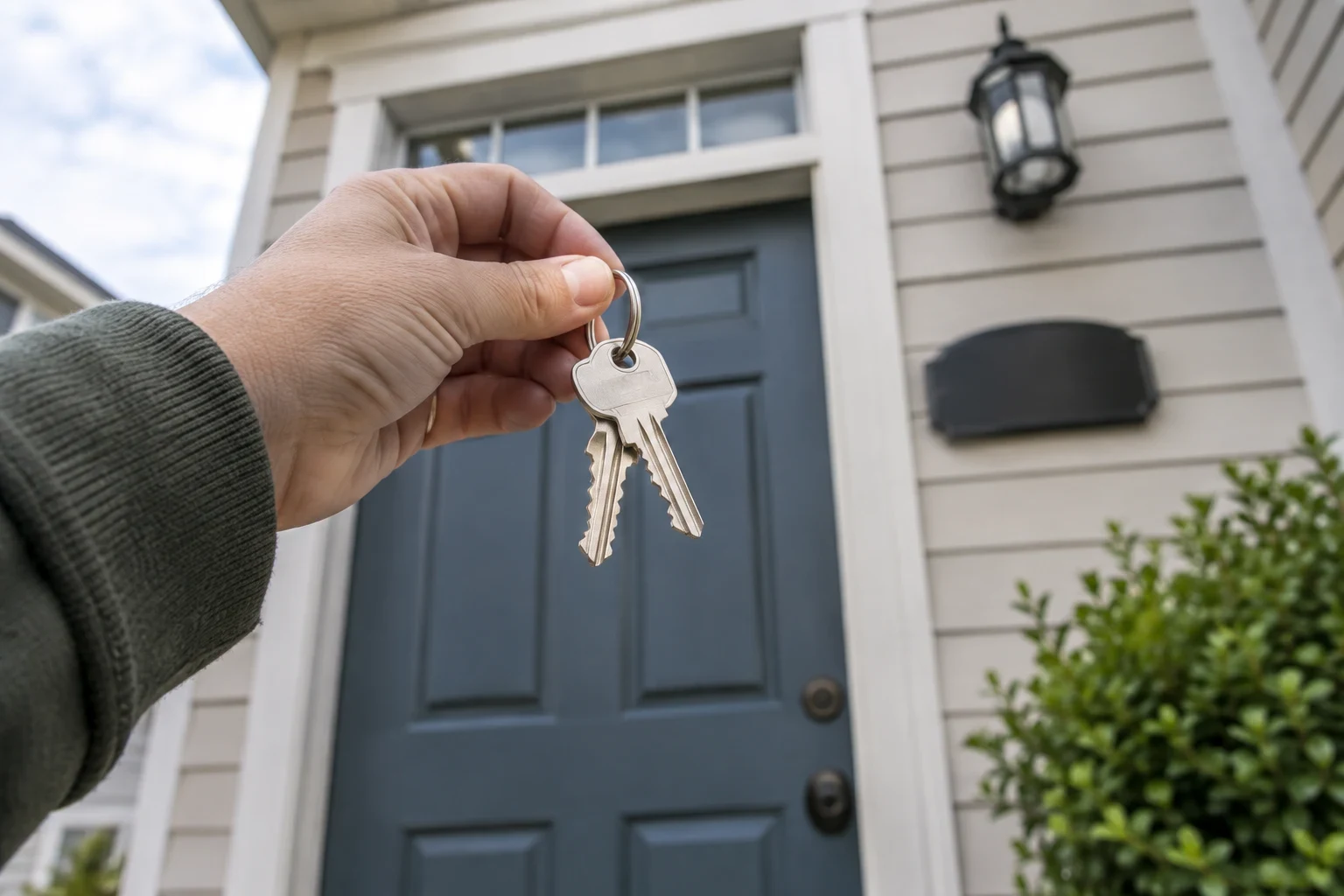
Signs it is time to talk about your first mortgage
- Your lease renewal is coming up
- Signing another twelve months is easier to decide once you know what you could actually borrow and what the monthly payment would be.
- You have savings but no plan for them
- You may need less down than you think. The question is how much to keep in reserve for closing costs, moving and the first months of ownership.
- You are not sure your credit is ready
- A short review shows which items on your report matter to underwriting and which do not.
- Family wants to help with the down payment
- Gift funds are allowed on most programs, but they have to be documented correctly. Getting that right early avoids delays in underwriting.
- You changed jobs or work for yourself
- Lenders look at income history differently for new roles, commission pay and self-employment. Knowing how yours will be counted keeps you from shopping above your approval.
How a first home loan moves from call to closing
- 1
Free consultation
We talk through your income, debts, savings and the price range you have in mind. You leave the conversation knowing which programs fit and roughly what each would require.
- 2
Documents and credit
You gather pay stubs, two years of W-2s or returns, and recent bank statements for your loan officer. We pull credit with your permission and flag anything underwriting will ask about.
- 3
Pre-approval
You get a pre-approval letter you can use when making offers in and around Dawsonville, plus a written breakdown of estimated payment and cash to close at that price.
- 4
Contract, appraisal and underwriting
After your offer is accepted, we issue the Loan Estimate, order the appraisal and move your file into underwriting. When conditions come back, we call you to explain what each one means and which documents will clear it.
- 5
Closing
You receive the Closing Disclosure at least three business days before closing. We compare it to your Loan Estimate with you so any change is explained before you sign.
What shapes the cost of a first home loan
Your rate and fees come from your own file, not a sticker price. We explain each factor in writing up front, so the figures on your Loan Estimate make sense and the Closing Disclosure holds no add-ons you did not see coming.
- Credit score
- Rates and mortgage insurance are priced in score bands. Moving into a higher band can lower both.
- Down payment and mortgage insurance
- A smaller down payment usually means mortgage insurance. On conventional loans it can be removed later as you build equity; on FHA loans the rules are stricter, and we show you both paths.
- Loan program
- FHA, conventional, VA and USDA loans each carry different upfront fees and insurance structures, which is why we compare them side by side.
- Rate lock and points
- When you lock and whether you pay discount points to buy down the rate both affect cost. We show the break-even point so you can decide.
- Closing costs and seller credits
- Title, appraisal, prepaid taxes and insurance add up. Negotiating seller credits in your offer can reduce the cash you bring.
First-time buyer questions
- Who counts as a first-time homebuyer?
- For most programs, it is anyone who has not owned a primary residence in the past three years. That means you may qualify even if you owned years ago. We confirm which definition applies to the program you are considering.
- How much do I need for a down payment?
- It depends on the program. FHA loans start at 3.5 percent down, some conventional options go lower for first-time buyers, and VA and USDA loans can allow no down payment for eligible borrowers. You will also need funds for closing costs, which we estimate in writing at pre-approval.
- What credit score do I need?
- There is no single cutoff. Each program and lender sets its own minimums, and higher scores usually earn better pricing. We look at your actual report and tell you where you stand and what would help.
- Can I use down payment assistance?
- Often, yes. Georgia offers assistance programs for qualifying buyers, with income and purchase price limits. We check your eligibility and explain how the assistance is repaid or forgiven before you choose it.
- How long does a pre-approval last?
- Most are good for a limited window, commonly 60 to 90 days, because your credit and documents need to be current. If your search runs longer, we update your file rather than starting over.
Get your first-home numbers on paper
Tell us your price range and savings, and a loan officer will walk you through programs, payments and cash to close. Your consultation is free, and you will know the costs before you make an offer.